At what age do German Shepherds start to slow down?
German Shepherds usually begin slowing down between 6-8 years of age, showing subtle changes in mobility and energy levels. Understanding these early signs helps you provide better senior care for your loyal companion.
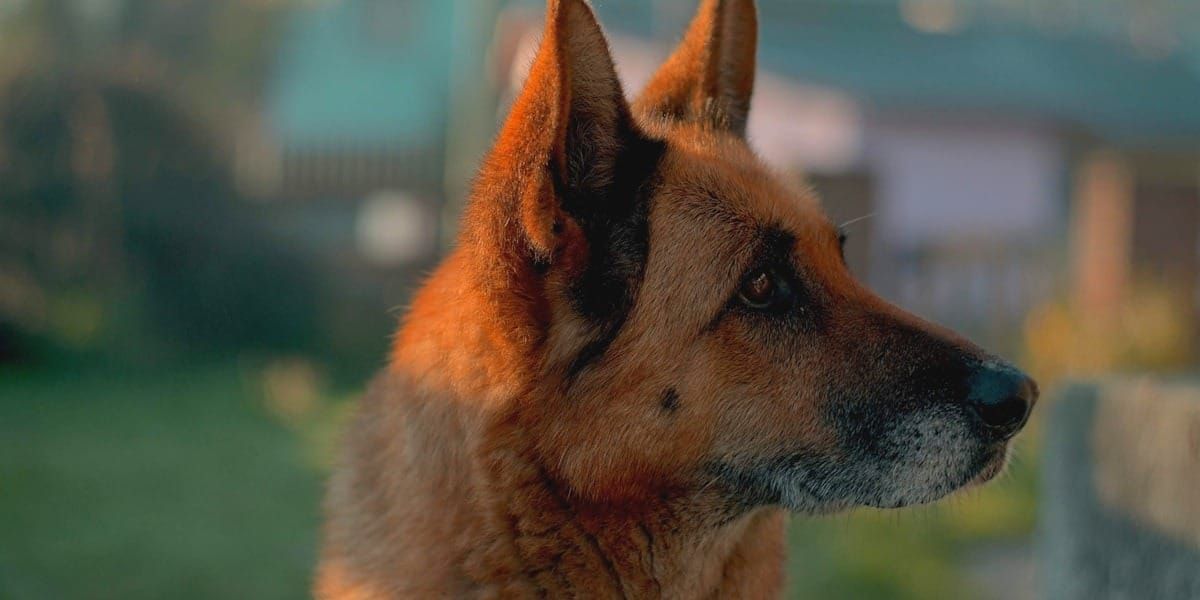
Most German Shepherds begin showing their first signs of slowing down between 6 to 8 years of age, though some may start as early as 5 years old. This gradual transition marks the beginning of their senior years, when you'll notice subtle changes in energy levels, mobility, and overall activity patterns.
Understanding when your German Shepherd enters this phase helps you provide the specialized care they need to maintain their quality of life. Every dog ages differently, but recognizing the early signs allows you to adapt their routine and environment before major issues develop.
The Early Signs of Slowing Down
German Shepherds are naturally active, intelligent dogs bred for demanding work. When they start slowing down, the changes often appear gradually over several months rather than overnight.
The first signs typically include taking longer to get up from lying down, especially after long rest periods. Your German Shepherd might hesitate before jumping into the car or climbing stairs they once bounded up without thought. These subtle mobility changes often occur around 6-7 years of age.
You might also notice your dog choosing shorter play sessions or taking more frequent breaks during walks. Where they once could hike for hours, they may now prefer moderate 30-45 minute outings with rest stops.
Sleep patterns often shift as well. Senior German Shepherds tend to sleep more deeply and for longer periods, sometimes seeming confused or disoriented when first waking up.
Physical Changes That Signal Aging

Joint and Mobility Issues
German Shepherds are particularly prone to hip dysplasia and elbow dysplasia, conditions that become more noticeable as they age. Around 7-8 years old, you may observe stiffness after exercise or difficulty maintaining their usual pace on walks.
Arthritis commonly develops in aging German Shepherds, causing joint pain and reduced flexibility. Your dog might show reluctance to run, jump, or play as vigorously as before. Some dogs develop a slight limp or favor one leg over another.
Muscle Mass Changes
As German Shepherds age, they naturally lose muscle mass, particularly in their hindquarters. This muscle atrophy contributes to weakness and instability, making activities like climbing stairs or getting up from lying positions more challenging.
The loss of muscle tone becomes more pronounced after age 8, when dogs require modified exercise routines to maintain strength without overexertion. Senior Dog Panting at Night and Drinking Lots of Water can sometimes indicate underlying health issues that accompany this aging process.
Cognitive and Sensory Declines
Mental Sharpness Changes
German Shepherds are renowned for their intelligence, making cognitive changes particularly noticeable to their families. Around 8-10 years of age, some dogs develop canine cognitive dysfunction, similar to dementia in humans.
Early signs include disorientation in familiar spaces, changes in sleep-wake cycles, and altered interactions with family members. Your German Shepherd might stand in corners, forget learned commands, or seem confused about routine activities.
Signs of Canine Dementia in Senior Dogs provides detailed information about recognizing and managing these cognitive changes in your aging companion.
Vision and Hearing Loss
Gradual vision and hearing loss commonly occur in German Shepherds after age 8. You might notice your dog bumping into furniture they previously navigated easily or failing to respond to verbal commands from across the room.
These sensory changes contribute to the overall "slowing down" as dogs become more cautious and deliberate in their movements. They may seem less responsive or appear to ignore commands, when actually they simply cannot hear or see as well.
Breed-Specific Aging Considerations

German Shepherds face unique aging challenges due to their size and genetic predispositions. Large breed dogs like German Shepherds typically have shorter lifespans than smaller breeds, with most living 9-13 years.
Their working dog heritage means they're mentally and physically designed for constant activity. When age-related limitations prevent them from maintaining their usual activity levels, both physical and mental decline can accelerate.
Hip and elbow dysplasia, common in the breed, often becomes symptomatic during the senior years. Degenerative myelopathy, a progressive spinal cord disease specific to German Shepherds, typically appears after age 8 and causes gradual hindquarter weakness.
Bloat (gastric dilatation-volvulus) risk increases with age in deep-chested breeds like German Shepherds. Senior dogs may also develop heart conditions, kidney disease, or cancer at higher rates than younger animals.
Supporting Your Slowing German Shepherd
Exercise Modifications
When your German Shepherd starts slowing down, adjust their exercise routine rather than eliminating it entirely. Shorter, more frequent walks often work better than long hikes. Swimming provides excellent low-impact exercise that's easier on aging joints.
Mental stimulation becomes equally important as physical exercise. Puzzle toys, gentle training sessions, and new experiences keep their minds sharp even as their bodies slow down.
Environmental Adaptations
Make your home more senior-friendly by adding non-slip rugs on smooth floors and providing orthopedic bedding for joint comfort. Raised food and water bowls reduce neck strain during meals.
Consider installing ramps or steps to help your German Shepherd access favorite spots like beds or cars without jumping. Signs Your Senior Dog is Healthy at Night offers additional tips for creating a comfortable environment for aging dogs.
Nutrition Adjustments
Senior German Shepherds often benefit from specialized diets designed for older dogs. These foods typically contain joint-supporting supplements like glucosamine and chondroitin, plus easily digestible proteins.
Weight management becomes crucial as metabolism slows and activity decreases. Maintaining an ideal body weight reduces stress on aging joints and organs.
When to Increase Veterinary Care
As German Shepherds begin slowing down, increase veterinary checkups from annual to every six months. Early detection of age-related conditions allows for better management and quality of life.
Discuss pain management options with your veterinarian, as many senior dogs benefit from prescription medications or supplements that reduce joint discomfort. Blood work can detect kidney, liver, or thyroid issues before they become serious.
Your veterinarian might recommend diagnostic imaging like X-rays to assess joint health or identify early signs of degenerative conditions. Free & Affordable Pet Care Resources for Seniors can help you access necessary veterinary care on a fixed income.
Frequently Asked Questions
At what age are German Shepherds considered old?
German Shepherds are generally considered senior dogs at around 7-8 years of age. However, some may show signs of aging as early as 6 years old, while others remain relatively youthful until 9-10 years. Individual genetics, health history, and lifestyle factors all influence when a German Shepherd transitions into their senior years.
How can I help my senior German Shepherd?
Support your senior German Shepherd through regular veterinary checkups, modified exercise routines, joint supplements, and environmental modifications like orthopedic bedding and non-slip surfaces. Maintain mental stimulation through gentle training and puzzle toys while monitoring for changes in behavior, appetite, or mobility. Always consult your veterinarian about appropriate pain management and nutrition adjustments.
What is the number one cause of death in German Shepherds?
Cancer is typically the leading cause of death in German Shepherds, affecting approximately 35-40% of the breed. Bloat (gastric dilatation-volvulus) and degenerative myelopathy are also significant causes of death. Heart disease and kidney failure become more common as German Shepherds age beyond 10 years.
At what age do German Shepherds start to decline?
Most German Shepherds begin showing signs of decline between 8-10 years of age, though some may start earlier around 6-7 years. The decline typically manifests as decreased energy, mobility issues, and gradual slowing down rather than sudden changes. Regular veterinary care can help identify and address age-related issues early.
How long do purebred German Shepherds usually live?
Purebred German Shepherds typically live 9-13 years, with an average lifespan of around 10-11 years. Factors affecting longevity include genetics, size, diet, exercise, and veterinary care quality. Some German Shepherds may live beyond 13 years with excellent care, while others may have shorter lifespans due to genetic health issues.
What not to do with a senior dog?
Avoid sudden changes in routine, excessive exercise that could strain aging joints, and ignoring subtle signs of discomfort or illness. Don't skip regular veterinary checkups or dismiss behavior changes as "just getting old." Avoid letting your senior German Shepherd become overweight, as extra pounds stress aging joints and organs.
Caring for a slowing German Shepherd requires patience, observation, and adaptation. By recognizing the signs early and making appropriate adjustments to their care routine, you can help your faithful companion enjoy their golden years with dignity and comfort. Remember that slowing down doesn't mean giving up — with proper support, senior German Shepherds can continue to be wonderful, loving companions well into their later years.