What Happens to Golden Retrievers When They Get Old?
Discover what happens to Golden Retrievers as they age, from physical changes and common health issues to behavioral shifts. Learn how to provide the best care for your senior Golden and recognize signs that need veterinary attention.

Watching your Golden Retriever grow older can be both heartwarming and worrying. That playful puppy who once bounded through the yard now moves a little slower, sleeps a little longer, and may need extra help with the stairs.
If you're noticing these changes in your beloved companion, you're not alone. Golden Retrievers typically become seniors around age 7-8, and understanding what happens during this life stage can help you provide the best possible care.
This comprehensive guide will walk you through the physical, behavioral, and health changes your senior Golden Retriever may experience, along with practical ways to keep them comfortable and happy in their golden years.
Physical Changes in Aging Golden Retrievers
As your Golden Retriever enters their senior years, you'll notice several physical transformations that are a natural part of the aging process.
Graying Muzzle and Coat Changes
One of the first visible signs of aging is the appearance of gray or white hairs around your Golden's muzzle, face, and eyebrows. This graying typically begins around age 5-6 and becomes more pronounced as they age.
Their once-lustrous golden coat may also become duller, thinner, or coarser in texture. Some senior Goldens develop patches of thin fur, particularly around their hindquarters and tail.
Regular grooming becomes even more important during this stage. Their skin becomes more sensitive and prone to dryness, so gentle brushing and moisturizing products designed for senior dogs can help maintain coat health.
Weight and Body Composition Shifts
Senior Golden Retrievers often experience changes in weight and muscle mass. Many older Goldens gain weight due to decreased activity levels and a slower metabolism.
Others may lose weight due to dental issues, decreased appetite, or underlying health conditions. You might notice your dog's once-muscular frame becoming softer or more prominent bones becoming visible.
Muscle atrophy is especially common in the hindquarters. This can affect their ability to stand, walk, or climb stairs.
Maintaining an appropriate weight through diet adjustments and gentle exercise becomes crucial during these years. Even a few extra pounds can put significant stress on aging joints.
Mobility and Joint Problems
Arthritis and joint stiffness are among the most common issues affecting senior Golden Retrievers. You may observe your dog having difficulty rising from a lying position, hesitating before jumping into the car, or showing reluctance to use stairs.
They might walk with a stiff gait, especially after resting, or limp on one or more legs. Hip dysplasia, a condition Golden Retrievers are genetically predisposed to, often worsens with age.
These mobility challenges can significantly impact your dog's quality of life. But there's good news—various treatments can provide substantial relief.
Joint supplements, anti-inflammatory medications, physical therapy, and orthopedic bedding can all help your Golden move more comfortably. Some owners find that hydrotherapy or acupuncture makes a noticeable difference.
Common Health Issues in Senior Golden Retrievers

Golden Retrievers are unfortunately prone to several age-related health conditions that require vigilant monitoring and proactive veterinary care.
Cancer Risk in Older Goldens
This is the difficult truth: Golden Retrievers have one of the highest cancer rates among all dog breeds. Studies show that approximately 60% of Goldens will develop cancer in their lifetime.
Hemangiosarcoma, lymphoma, and mast cell tumors are particularly common. Senior Goldens should receive regular veterinary examinations every six months, including thorough physical checks for lumps, bumps, or swelling.
Early detection significantly improves treatment outcomes. Watch for warning signs such as unexplained weight loss, persistent lumps, difficulty breathing, lethargy, loss of appetite, or abnormal bleeding.
While this statistic can be frightening, staying informed and maintaining regular vet visits gives your Golden the best chance for early intervention. Many cancers are treatable when caught early.
Heart Disease and Cardiovascular Changes
As Golden Retrievers age, their hearts work less efficiently. Dilated cardiomyopathy and heart valve disease are concerns in senior Goldens.
You might notice your dog tiring more easily during walks, coughing (especially at night or after exercise), or showing rapid breathing. They may also become reluctant to exercise when they previously enjoyed it.
Their gums may appear pale or bluish rather than healthy pink. This can indicate reduced oxygen circulation.
Your veterinarian can monitor heart health through regular examinations, listening for heart murmurs, and recommending diagnostic tests like X-rays or echocardiograms when necessary. Heart medications can significantly improve quality of life for dogs with cardiac conditions.
Vision and Hearing Decline
Sensory changes are common in aging Golden Retrievers. Nuclear sclerosis, a bluish-gray cloudiness in the eyes, typically develops around age 7-8 and is a normal aging change.
This condition causes minor vision impairment but isn't the same as cataracts. Cataracts appear as white or opaque areas in the lens and can lead to significant vision loss or blindness.
You may notice your Golden bumping into furniture, hesitating in unfamiliar environments, or being startled more easily. These are signs their vision is declining.
Hearing loss also progresses gradually. Your dog might not respond to their name being called, sleep more soundly, or seem confused when you approach from behind.
Making accommodations for these sensory changes helps them navigate safely. Use hand signals instead of verbal commands, keep furniture in consistent places, and approach your dog where they can see you.
Cognitive Dysfunction Syndrome
Canine cognitive dysfunction, similar to dementia in humans, affects many senior Golden Retrievers. This can be one of the most heartbreaking changes to witness.
Signs include disorientation (getting lost in familiar places), altered sleep-wake cycles (restlessness at night, sleeping during the day), and decreased interaction with family members. House-soiling accidents despite being previously housetrained are also common.
Your once-social Golden may seem less interested in greetings or playtime. They might stare blankly at walls or into space, seeming confused about their surroundings.
 Mack
Mack
While cognitive decline cannot be reversed, it can be managed. Environmental enrichment, puzzle toys, consistent routines, and dietary supplements containing omega-3 fatty acids and antioxidants all help.
In some cases, prescription medications can slow progression. Mental stimulation through gentle training exercises and interactive games keeps their mind engaged.
Behavioral Changes in Senior Golden Retrievers

Beyond physical health, your aging Golden Retriever will likely display behavioral shifts that reflect their changing needs and capabilities.
Reduced Energy and Activity Levels
The energetic, tireless Golden Retriever who once played fetch for hours will naturally slow down with age. This is completely normal.
 Mack
Mack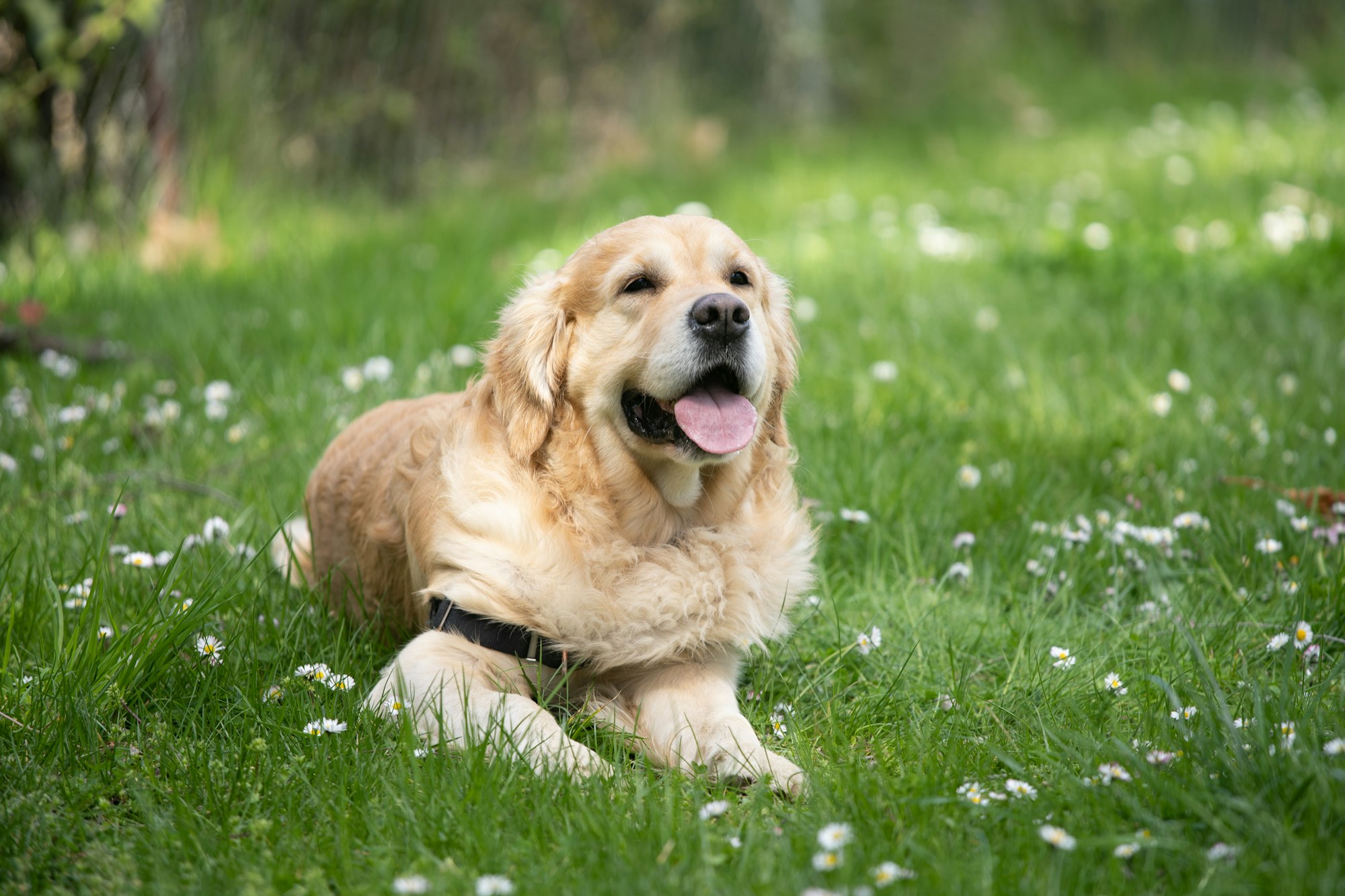
Senior Goldens typically sleep 14-18 hours per day compared to 12-14 hours for younger adults. They may show less enthusiasm for long walks and prefer shorter play sessions.
Your Golden will likely choose napping over exploring. They might bring you a toy but lose interest after just a few throws.
This decreased activity is normal, but complete inactivity isn't healthy. Adjust your expectations while maintaining regular, gentle exercise appropriate for their fitness level.
Swimming is particularly excellent for senior Goldens. It provides low-impact cardiovascular exercise that's easy on arthritic joints while still giving them the activity they need.
Increased Anxiety or Clinginess
Many senior Golden Retrievers develop separation anxiety or become more attached to their owners. Your independent dog might start following you from room to room.
 Mack
Mack
They may show distress when you leave or seek constant physical contact. Some Goldens who previously slept in their own beds suddenly want to be touching you at all times.
This change often stems from sensory decline—they can't see or hear you as well. Cognitive changes or simple insecurity about their declining abilities also play a role.
Pain and discomfort can also increase anxiety. Providing comfort through consistent routines helps tremendously.
A safe space with familiar bedding and your scent, calming supplements, and extra reassurance can all make a difference. If anxiety severely impacts their quality of life, consult your veterinarian about anti-anxiety medications.
Changes in Social Behavior
Senior Goldens may become less tolerant of other dogs, children, or household chaos. A dog who once welcomed every visitor might now prefer quiet companionship.
They may growl or snap when startled or touched in painful areas—behaviors that were never issues before. This isn't your Golden becoming mean.
It's often a response to pain, sensory decline, or cognitive changes. Imagine not hearing someone approach and suddenly being touched—it would startle you too.
Respect these new boundaries by managing interactions with other pets and children. Provide a quiet retreat space where your Golden can rest undisturbed.
Training family members to approach calmly and avoid sudden movements helps prevent stress. Your senior Golden has earned the right to some peace and quiet.
Daily Care Adjustments for Senior Golden Retrievers
Adapting your Golden Retriever's daily care routine can dramatically improve their comfort and extend their quality years.
Diet and Nutrition Modifications
Senior Golden Retrievers have different nutritional needs than younger dogs. Their metabolism slows down, so they need fewer calories to maintain a healthy weight.
Consider switching to a senior-specific dog food formulated with reduced calories to prevent weight gain and higher protein to maintain muscle mass. Look for joint-supporting ingredients like glucosamine and chondroitin.
Easily digestible proteins and fibers help their aging digestive system. Added antioxidants support immune function, which naturally declines with age.
Divide meals into two or three smaller portions rather than one large meal. This aids digestion and prevents bloating, which Golden Retrievers are prone to.
Fresh water should always be available, as senior dogs are more prone to dehydration. Some older Goldens forget to drink enough, so you may need to encourage them.
Your veterinarian can recommend supplements such as omega-3 fatty acids for coat health and inflammation reduction. Probiotics support digestive health, and joint supplements specifically formulated for large breeds can improve mobility.
Exercise and Mental Stimulation
While your senior Golden Retriever can't handle the exercise they once could, regular movement remains essential. It maintains muscle tone, joint flexibility, healthy weight, and mental wellbeing.
Aim for shorter, more frequent walks rather than one long trek. Two 15-20 minute walks daily are often ideal for senior Goldens.
Swimming provides excellent low-impact exercise. Many communities have pools or therapy centers specifically for senior dogs.
Mental stimulation is equally important for cognitive health. Try puzzle feeders that make mealtime more engaging.
Gentle training sessions teaching new tricks or reinforcing old ones keep their mind sharp. Scent games where they search for hidden treats tap into their natural instincts.
Interactive toys appropriate for their energy level provide entertainment without exhaustion. Keep activities positive and pressure-free, ending sessions while your dog still seems interested.
Home Environment Modifications
Making your home more senior-friendly prevents injuries and reduces stress on aging bodies. Small changes can make a huge difference in your Golden's daily comfort.
Install ramps for accessing vehicles, porches, or furniture if your Golden enjoys being on the couch. Many dogs struggle with the height but still want to be near you.
Place non-slip rugs or yoga mats on slippery floors to provide traction. Hardwood and tile floors become treacherous for dogs with weak hindquarters.
Provide orthopedic beds in multiple locations so your dog can rest comfortably near family members. Memory foam beds specifically designed for large breeds offer the best support.
Raise food and water bowls to reduce neck strain. This is especially helpful for dogs with arthritis in their neck or spine.
Ensure nightlights illuminate pathways for dogs with declining vision. Block off stairs if they've become dangerous, or install baby gates at the top and bottom.
Keep resources (food, water, bed) on one floor if possible to minimize stair use. These modifications show your Golden that despite their physical changes, they remain a valued family member.
Grooming and Hygiene Needs
Senior Golden Retrievers need consistent grooming, though their tolerance for long sessions may decrease. Their coat still sheds and can mat if not maintained.
Brush your senior Golden at least 2-3 times per week. This removes dead hair, distributes natural oils, and gives you a chance to check for lumps, skin issues, or parasites.
Pay special attention to areas that mat easily—behind the ears, under the legs, and around the tail. Use gentle brushing techniques, as their skin is more sensitive.
Dental care becomes crucial in senior years. Many older Goldens develop periodontal disease, which can affect their overall health and make eating painful.
Brush their teeth several times weekly with dog-specific toothpaste. Dental chews and toys designed for dental health can supplement brushing.
Nail trimming may need to happen more frequently. Senior dogs often wear down their nails less due to reduced activity on hard surfaces.
Keep their ears clean and dry, as Golden Retrievers are prone to ear infections. Check regularly for redness, odor, or discharge.
Veterinary Care for Aging Golden Retrievers
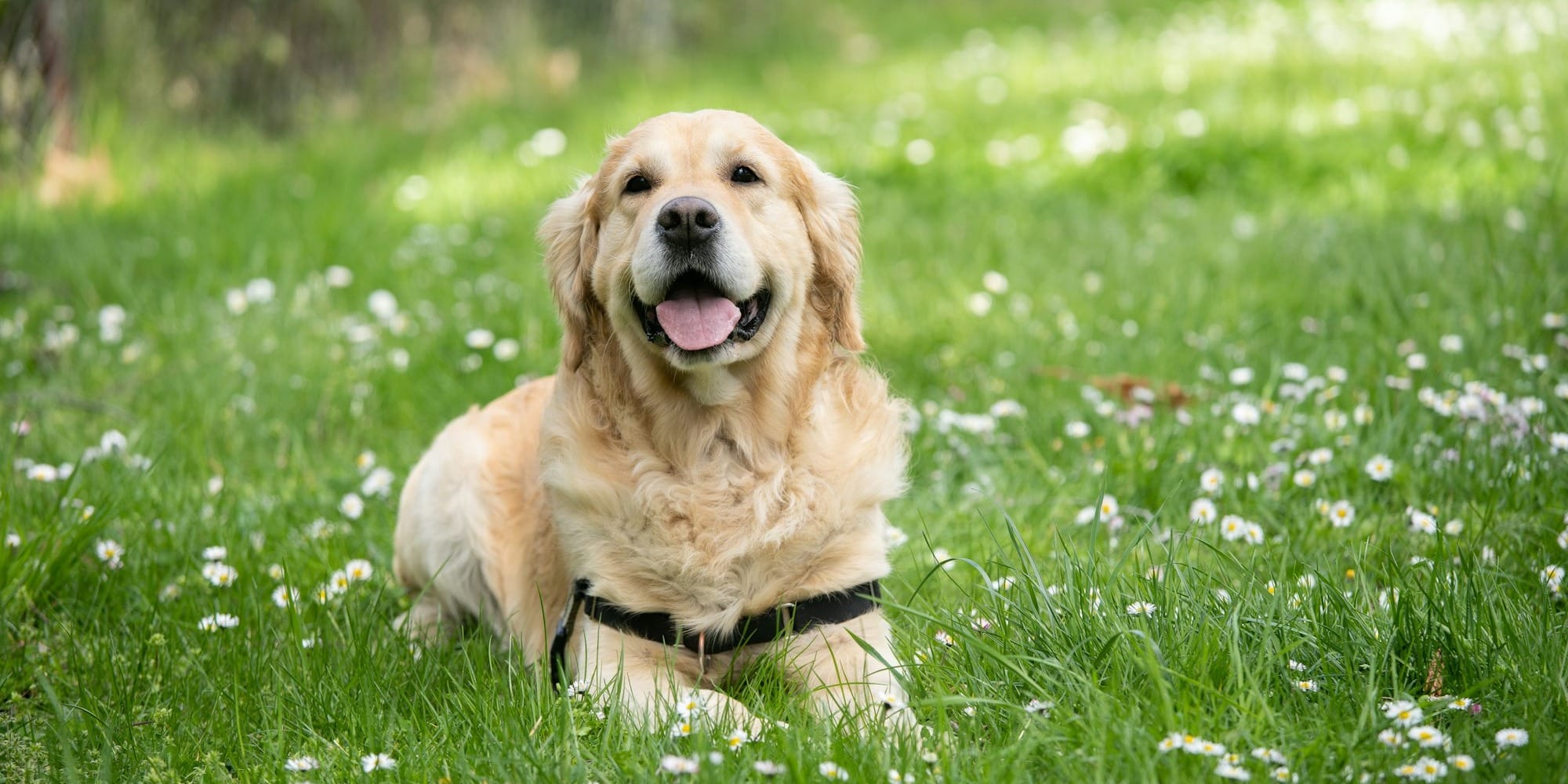
Proactive veterinary care is your best defense against age-related health issues in your Golden Retriever.
Increased Checkup Frequency
While younger adult dogs typically need annual checkups, senior Golden Retrievers benefit from exams every six months. This allows your vet to catch problems early when they're most treatable.
During these visits, your veterinarian will perform a complete physical examination, checking your dog's weight, body condition, heart, lungs, abdomen, joints, teeth, eyes, and ears. They'll also palpate for any lumps or abnormalities.
Blood work is typically recommended annually or biannually for senior dogs. These tests check organ function, blood cell counts, and can detect early signs of disease.
Urinalysis helps identify kidney disease, diabetes, and urinary tract infections—all more common in senior dogs. Your vet may also recommend X-rays or ultrasounds if they detect any concerns.
Don't skip these checkups even if your Golden seems fine. Many serious conditions develop silently, and early detection dramatically improves outcomes.
Managing Chronic Conditions
Many senior Golden Retrievers develop chronic conditions that require ongoing management. Arthritis, heart disease, kidney disease, and diabetes can all be managed with proper treatment.
Work closely with your veterinarian to develop a treatment plan. This might include daily medications, dietary changes, supplements, or lifestyle modifications.
Keep a journal tracking your dog's symptoms, medication administration, appetite, water intake, bathroom habits, and activity level. This information helps your vet make informed treatment decisions.
Don't hesitate to call your vet with questions or concerns. They want to partner with you in keeping your Golden comfortable.
Be consistent with medication schedules. Set phone reminders if needed, and keep medications in a visible location.
Recognizing Emergency Signs
Knowing when to seek immediate veterinary care can be lifesaving. Some symptoms require urgent attention rather than waiting for a regular appointment.
Emergency signs include difficulty breathing or persistent coughing, collapse or inability to stand, seizures, profuse bleeding, bloated or distended abdomen, repeated vomiting or diarrhea, especially with blood, inability to urinate or defecate, sudden blindness, extreme lethargy or unresponsiveness, pale or blue gums, and signs of severe pain.
Trust your instincts. You know your Golden better than anyone. If something feels seriously wrong, it probably is.
Keep your regular vet's number and the closest emergency veterinary hospital's contact information easily accessible. Know the location and hours of 24-hour emergency clinics in your area.
Quality of Life Considerations

As your Golden Retriever ages, you'll face difficult decisions about their care and quality of life. These conversations are never easy, but they're important.
Assessing Daily Comfort
Regularly evaluate your Golden's quality of life using objective criteria. Can they eat and drink normally? Do they have more good days than bad days?
Are they able to stand, walk, and eliminate without extreme difficulty? Do they still show interest in their favorite activities, even if modified?
Is their pain adequately managed? Do they still engage with family members and show enjoyment in daily life?
The Ohio State University Veterinary Medical Center offers a quality of life scale that can help guide these assessments. It measures factors like pain, appetite, hygiene, happiness, and mobility.
Remember that a good quality of life doesn't mean your Golden needs to act like a puppy. It means they're comfortable, engaged, and experiencing more joy than suffering.
When to Consider Difficult Decisions
One of the hardest parts of loving a senior Golden Retriever is knowing when it might be time to say goodbye. This decision is deeply personal and there's no perfect formula.
Generally, if your Golden's bad days consistently outnumber the good days, if pain cannot be adequately managed, if they've lost interest in everything they once enjoyed, or if they can no longer perform basic functions, it may be time to have an honest conversation with your veterinarian.
Your vet can provide guidance based on your dog's specific condition and prognosis. They can explain what to expect as the disease progresses and what options exist for comfort care.
Some owners choose hospice care, focusing entirely on comfort in their dog's final weeks or months. Others make the compassionate choice of euthanasia to prevent suffering.
There's no wrong choice as long as it prioritizes your Golden's wellbeing. Remember that choosing euthanasia before your dog suffers greatly is a final act of love, not a betrayal.
Cherishing the Senior Years
Despite the challenges, the senior years with your Golden Retriever can be incredibly special. Your bond deepens through the care you provide.
These slower, quieter years offer opportunities for connection that busy puppyhood and active adult years didn't provide. Your senior Golden needs you more than ever, and that need creates intimacy.
Take photos and videos. You'll treasure these memories. Create new traditions that accommodate your dog's current abilities—maybe gentle evening cuddles replace morning runs.
Celebrate their presence in your life every day. Each day with your senior Golden is a gift.
Frequently Asked Questions
At what age is a Golden Retriever considered a senior?
Golden Retrievers are typically considered seniors at around 7-8 years old. However, this can vary based on individual health, genetics, and lifestyle. Some Goldens may show signs of aging earlier, while others remain spry into their double digits. Regular veterinary care helps monitor your dog's aging process.
What is the average lifespan of a Golden Retriever?
The average lifespan of a Golden Retriever is 10-12 years. Some Goldens live longer with excellent care, good genetics, and luck, while others may have shorter lifespans due to health issues like cancer. Maintaining a healthy weight, providing regular exercise, and staying on top of veterinary care can help maximize your Golden's years.
 Mack
Mack
Do senior Golden Retrievers need special food?
Yes, senior Golden Retrievers benefit from food formulated for their life stage. Senior dog foods typically contain fewer calories to prevent weight gain, higher-quality proteins to maintain muscle mass, joint-supporting supplements, and antioxidants for immune support. Consult your veterinarian about the best diet for your individual dog's needs.
How can I tell if my old Golden Retriever is in pain?
Signs of pain in senior Golden Retrievers include limping or stiffness, reluctance to move or climb stairs, decreased appetite, restlessness or difficulty settling, excessive panting, whining or vocalizing, aggression or irritability when touched, and changes in posture or gait. If you suspect your Golden is in pain, consult your veterinarian promptly. Pain management significantly improves quality of life.
Can cognitive decline in senior Golden Retrievers be reversed?
Cognitive decline cannot be completely reversed, but it can be managed and potentially slowed. Strategies include maintaining consistent routines, providing mental stimulation through puzzle toys and training, feeding a diet rich in antioxidants and omega-3 fatty acids, and using prescription medications designed for cognitive dysfunction. Early intervention produces the best results.
Should I still exercise my senior Golden Retriever?
Yes, exercise remains important for senior Golden Retrievers, though it should be modified for their abilities. Shorter, more frequent walks, swimming, and gentle play help maintain muscle tone, joint flexibility, and mental health. Avoid overexertion and watch for signs of fatigue. Consult your veterinarian about an appropriate exercise plan for your dog's specific condition.
Conclusion
Understanding what happens to Golden Retrievers when they get old prepares you to provide compassionate, informed care during their senior years. While aging brings inevitable physical changes, health challenges, and behavioral shifts, it also offers opportunities to deepen your bond with your loyal companion.
By recognizing the signs of aging early, adapting your home and care routine, maintaining regular veterinary checkups, and prioritizing your Golden's comfort, you can help them enjoy their golden years with dignity and joy.
Remember that every day with your senior Golden Retriever is precious. With proper care, attention, and love, you can ensure their later years are as comfortable and happy as possible. When concerns arise, consult your veterinarian promptly—early intervention often makes all the difference.
Your Golden has given you years of unconditional love and loyalty. Now it's your turn to return that devotion by being their advocate, caregiver, and constant companion through every stage of their journey.