Thanksgiving Food for Senior Dogs: What Is Safe and What to Skip
A few bites of plain turkey are usually fine, but the skin, gravy, stuffing and desserts are where older dogs get into trouble. Here is what to share, what to skip, and who to call.
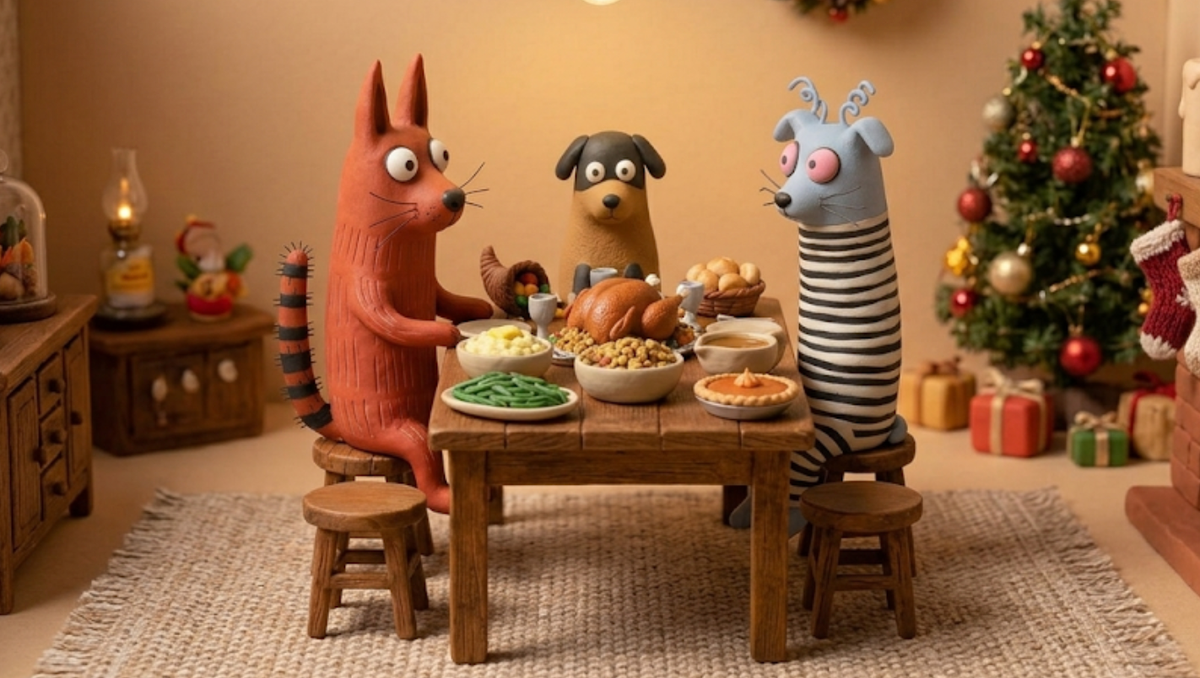
Yes, your senior dog can share a little of the Thanksgiving meal, as long as it is plain, fully cooked, boneless and tiny. A few small pieces of white turkey meat, with some plain sweet potato or green beans stirred into their usual dinner, is about as far as I would go. The trouble starts with the skin, the gravy, the stuffing and anything from the dessert table. For an older dog, one rich plate can turn into an emergency vet visit the next day.
Thanksgiving is on Thursday, November 26 this year, so here is a simple plan you can use before the guests arrive.

Why older dogs need extra care with holiday food
The biggest worry with rich holiday food is pancreatitis, an inflamed pancreas that can make a dog very sick and often needs hospital care. The Kennel Club says a large amount of high fat food in one sitting is a common trigger, and that older dogs and overweight dogs seem more prone to it. A vet interviewed by FOX 5 Atlanta said clinics see a lot of pancreatitis after Thanksgiving, often in dogs fed very fatty food.
Older dogs are also more likely to be dealing with other health issues. Conditions like diabetes, Cushing's disease and an underactive thyroid can raise the risk, according to 1-800-PetMeds, and so can extra weight. If your senior is already heavy, our guide to safe ways to help a senior Golden lose weight is a good place to start, and the holiday is as good a reason as any.
If your dog has ever had pancreatitis, or has kidney disease, diabetes or a sensitive stomach, I would skip table food entirely and ask your vet what, if anything, is okay.
What is okay to share, in small amounts
The ASPCA recommends sticking to your dog's normal diet on Thanksgiving, and if you want to treat them, adding a little to their regular dinner rather than serving a second one. Here is what usually passes:
- Plain white turkey meat. Fully cooked, boneless, no skin, no seasoning, in a few small pieces. Lean meat like turkey or chicken is easier on a dog than fattier meats like ham, and raw or undercooked turkey can carry salmonella.
- Plain sweet potato. No butter, brown sugar or marshmallows.
- Plain green beans. Not the casserole with the cream soup and fried onions on top.
- A spoonful of plain pumpkin. The plain kind, not pie filling.
Think of it as a topper on their regular dinner. Mix the turkey, sweet potato and green beans into their usual food, and keep the total small enough that it is not a second meal.

What to skip, and why
- Turkey skin, dark meat, drippings and gravy. This is where most of the fat is. Fatty extras like skin, dark meat and dressing can lead to pancreatitis, according to PhillyVoice. Some older holiday guides suggest a drizzle of gravy, but for a senior dog I would pass, since gravy is fat plus salt, and the ASPCA notes that bouillon cubes are high in sodium and can cause stomach trouble.
- Bones and the carcass. Poultry bones are a choking hazard, and even small pieces can injure the digestive tract, according to the ASPCA tips reported by Spectrum News.
- Stuffing and dressing. It is usually built on onions, garlic and butter, and sometimes raisins.
- Onions, garlic and chives. They are toxic to dogs and common in holiday dishes, including dressing, gravy and casseroles. Check the ASPCA list of people foods to avoid.
- Grapes, raisins and currants. They can cause kidney damage in dogs. Not every dog reacts, but there is no safe amount to count on, so keep them out of reach, including the raisins hiding in stuffing, salads and pies.
- Dessert. Chocolate is toxic. Sugar-free baked goods can contain xylitol, which can cause a dangerous drop in blood sugar and liver damage. Pecans and other nuts are very high in fat, according to the AVMA advice summarized by CBS19, and macadamia nuts are toxic to dogs.
- Raw bread dough. Yeast dough can swell in the stomach and produce alcohol as it ferments. Keep rising dough out of reach, and keep unattended drinks off low tables.
- Mashed potatoes and creamy casseroles. Plain potato is not the problem, but by the time it reaches the table it is mostly butter and cream, which is the fat problem again.
A simple plan for the day
- Feed their normal dinner at the usual time. A dog with a full bowl tends to beg less. If you are not sure the regular food is right for an older dog, see our guide to the healthiest food for a senior dog.
- Set aside the dog's portion while you cook. A few plain pieces of turkey, a bit of sweet potato and some green beans, before the butter, salt and seasoning go in. That way you are not guessing later.
- Give guests a rule and a bowl. Tell everyone the dog already has a plate and nothing else is on the menu. A small bowl of the approved bites lets guests feel generous without anyone guessing what is safe.
- Clear the table and the trash. The ASPCA suggests emptying the trash often or keeping pets away from it, since it can hold bones, chocolate and onions. Take the carcass out to an outside bin right away.
- Give them a quiet place. A house full of guests can be a lot for an older dog, especially one with hearing loss, stiff joints or memory changes. A bed in a quiet room, and a check on the doors when people come and go, helps. If your dog already seems confused in busy settings, our piece on signs of canine dementia can help you tell normal aging from something to raise with your vet.
- Save two phone numbers and find an emergency vet. Your regular clinic may be closed on the holiday, so look up the nearest 24-hour emergency vet today. Then save ASPCA Animal Poison Control at (888) 426-4435 and Pet Poison Helpline at (855) 764-7661. Both are staffed around the clock, and a consultation fee may apply.

When to call the vet
If your dog eats something on the skip list, note what it was, how much and when, then call your vet, an emergency clinic or one of the poison lines above right away. Do not try to make your dog vomit unless a vet or poison specialist tells you to. Pet Poison Helpline specifically advises checking with them first.
For a dog who just had a rich meal, watch for the signs vets link to pancreatitis. The charity Animal Trust says to contact a vet promptly if a dog is vomiting repeatedly, refuses food for more than a day, seems painful or restless, becomes weak or collapses, or has pale gums or trouble breathing. Keep watching in the days after the holiday, not only on the day itself.
A dog who has been through pancreatitis before may need a long-term low fat diet, so if that is your dog, tell your vet about every table scrap.
If you are thinking about adding an older dog
November is also Adopt a Senior Pet Month in the US, a campaign that encourages people to consider older shelter pets, as American Humane describes it. If that is why you are reading, our guide on what animal shelters will not tell you about adoption for older adults is a good place to start.
This article is general information, not veterinary advice. Your vet knows your dog's history, so check with them before you change anything.
Sources
- ASPCA: Thanksgiving Safety Tips
- ASPCA: People Foods to Avoid Feeding Your Pets
- PhillyVoice: What Thanksgiving foods are safe for dogs to eat?
- Spectrum News: Pet safety at Thanksgiving
- FOX 5 Atlanta: Common holiday foods can be toxic to your pet
- CBS19: Foods to avoid giving your pet during the holidays
- The Kennel Club: Pancreatitis in dogs
- 1-800-PetMeds: What is Pancreatitis in Dogs?
- Animal Trust: Pancreatitis in dogs
- Pet Poison Helpline
- American Humane: Adopt a Senior Pet Month